


January 15, 2026
During fall 2025, I presented at several conferences about artificial intelligence (AI) and retirement planning.

To start the conversation, I would ask attendees to answer some survey questions live so we could have a dialogue during the presentation. This survey examined current AI adoption rates, use cases, barriers to adoption, and concerns about the technology's impact on the profession.
Financial Advisor AI Use At Work
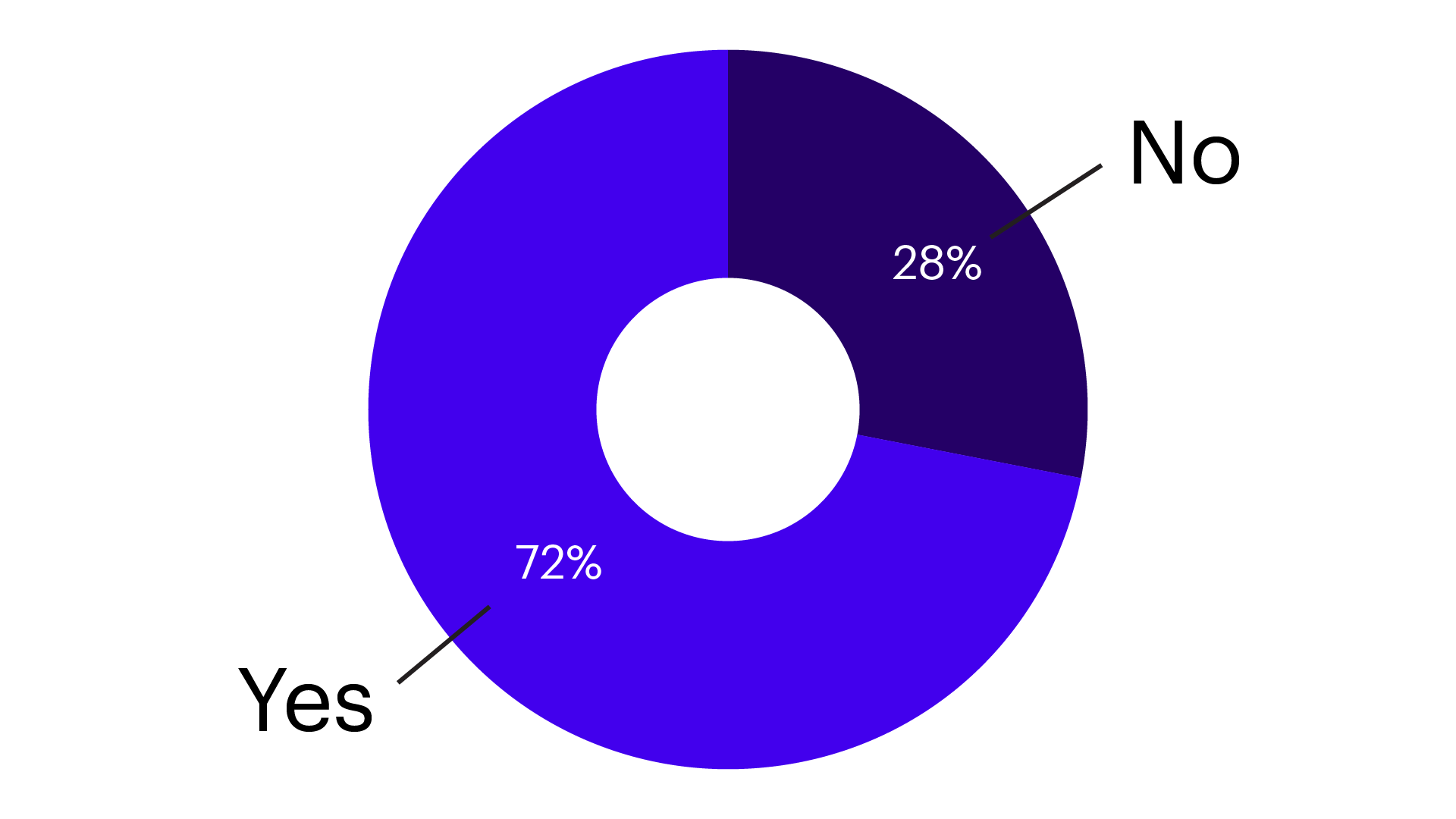
When I started presenting about AI three years ago, I would ask, “How many of you currently use AI?" and only about 20% of people would say “yes.” Now, it’s almost completely reversed, with 72% of financial advisors saying they currently use it at work.
How Financial Planners Use AI
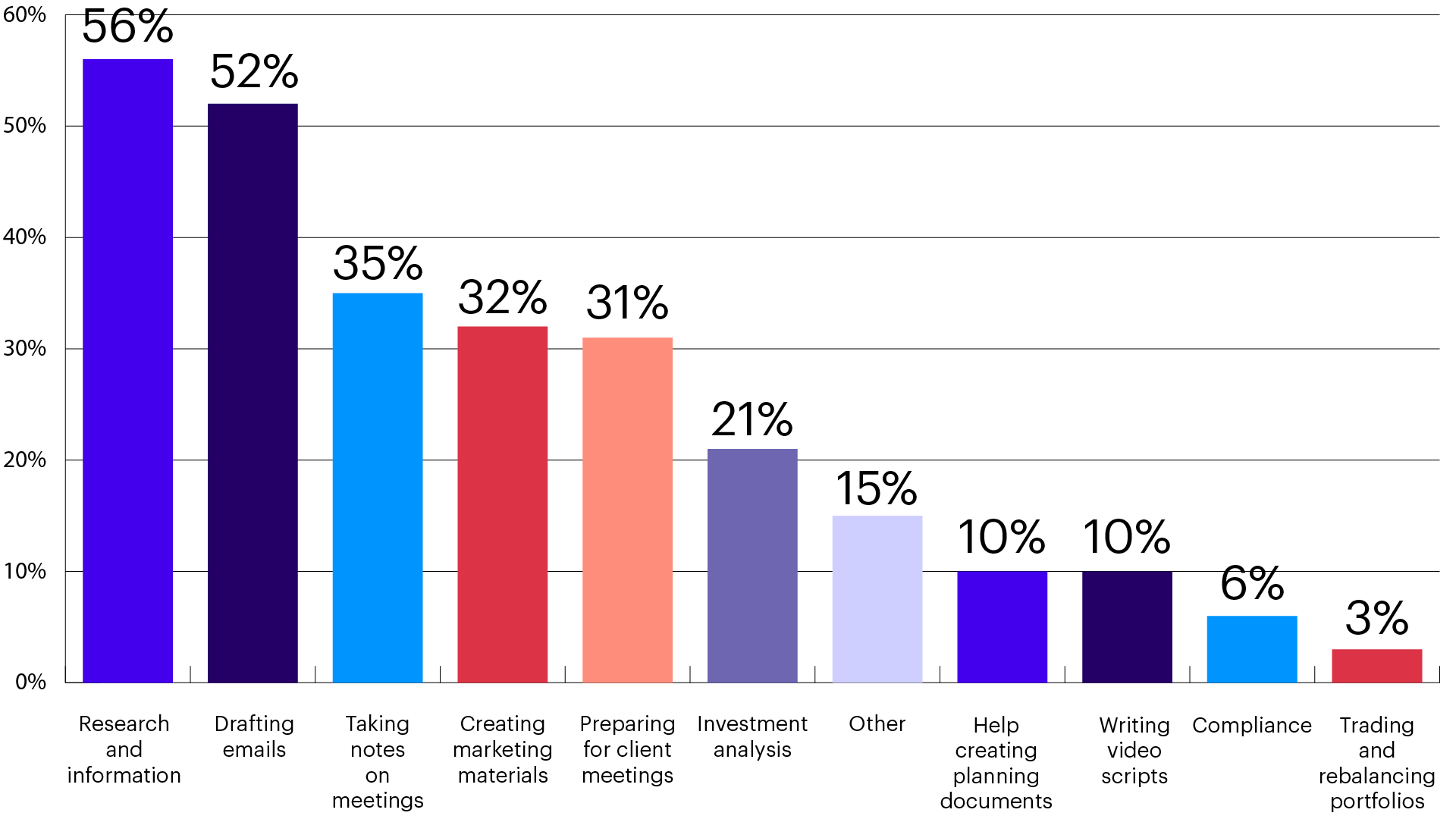
The survey identified diverse AI applications across financial planning workflows, with research and communication tasks showing the highest adoption rates. The most common use cases were research/looking up answers (56%), drafting emails (52%), AI notetakers (35%), creating marketing materials and blog posts (32%), and preparing for client meetings (31%). The least common tasks used for AI relate to the more technical side of advising: creating a financial planning recommendation (10%), compliance (6%), and trading/rebalancing (3%).
The diversity of applications indicates planners are using AI as a productivity multiplier across various administrative and preparatory tasks, augmenting rather than replacing their professional expertise.
Barriers to AI Adoption in Financial Services
It has been over three years since ChatGPT burst onto the scene, and it has had unprecedented growth. According to OpenAI, the creator of ChatGPT, nearly 700 million people use it globally on a weekly basis, which is roughly 10% of the global population. That made me wonder why some people have not adopted it.
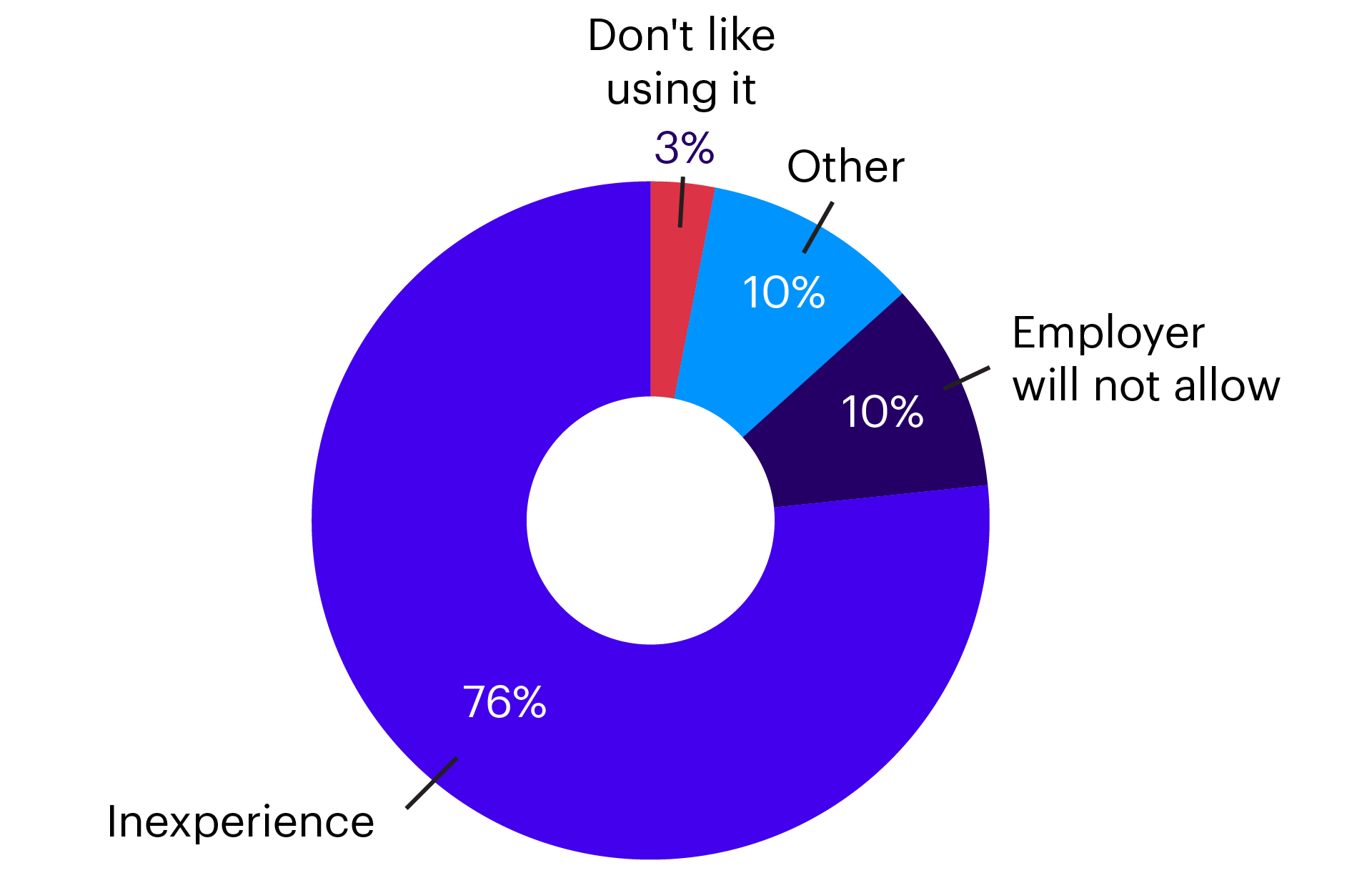
Among the 28% who do not currently use AI at work, the primary barrier was lack of experience and desire for more training (76%). Employer restrictions accounted for 10%, while personal preference against using AI represented just 3%. Apparently, there is still demand for knowledge on how to implement AI into their practice.
Estimated Client AI Adoption in Financial Services
Financial planners estimated that relatively few of their clients currently use AI, with nearly half (49%) guessing fewer than 20% of their clients use these tools, while 35% estimated 20-39% adoption. Only 13% of respondents believed client AI adoption exceeded 40%. I think as AI adoption increases among the masses, we will see this number also increase.
AI Job Displacement Concerns in Financial Services
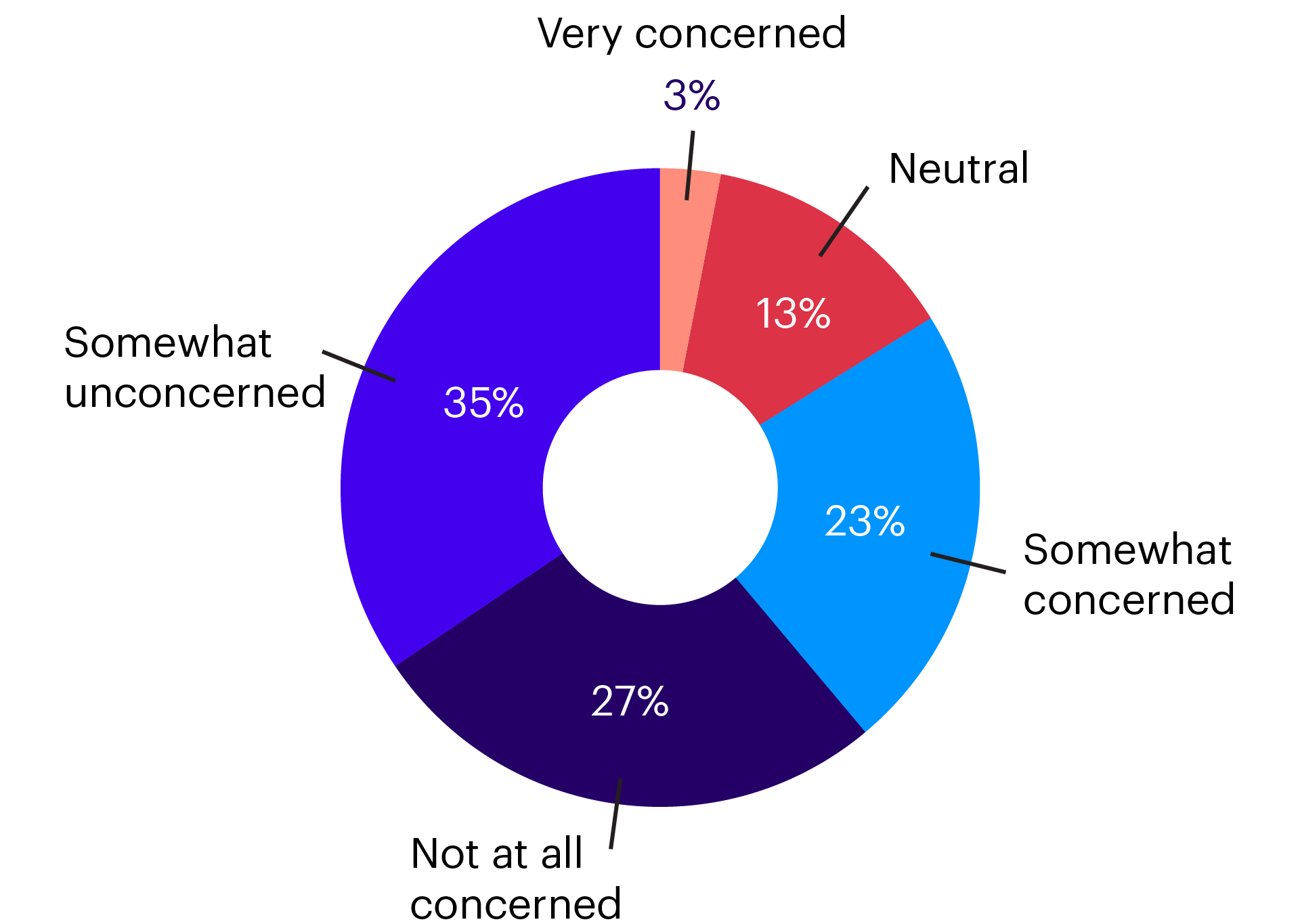
I asked, “How concerned are you that AI could replace your job?” Only 27.2% of financial planners expressed no concern whatsoever about AI-driven job displacement, meaning nearly three-quarters (72.8%) harbor at least some level of concern or uncertainty. Specifically, 26.2% indicated active concern (23.3% "somewhat concerned" + 2.9% "very concerned"), 34% were "somewhat unconcerned," and 12.6% remained neutral.
Key Takeaways
AI Adoption is Driven by Competitive Necessity, Not Confidence
While 72% of financial planners have adopted AI tools, only 27% express complete confidence that AI won't replace their jobs. This tension reveals that adoption may be driven less by enthusiasm than by competitive anxiety — a "use it or be left behind" mentality. Planners are integrating AI into workflows (primarily for research and administrative tasks) while simultaneously harboring concerns about long-term professional displacement, suggesting the profession is in a reactive rather than strategic posture toward technological change.
The Advisor-Client Technology Gap Creates Strategic Risk
Financial planners estimate that only 20-40% of their clients use AI, compared to their own 72% adoption rate. This perceived gap creates a dangerous asymmetry: if planners are correct, they have an opportunity to guide clients through AI-augmented financial decisions; if they're underestimating (as suggested by their limited peer dialogue about AI use), they may be unprepared for increasingly tech-savvy clients who expect AI-enhanced service and compare advisor value against free AI tools. Either way, the profession risks disintermediation without proactive client education strategies.
The AI Training Deficit, Not Resistance, Limits Further Adoption
Among non-adopters, 76% cite lack of experience and desire for more training as their primary barrier—not employer restrictions (10%) or personal opposition (3%). This training deficit presents both a challenge and an opportunity: professional development programs could potentially drive adoption rates above 85%, but only if they address not just technical competencies but also value proposition evolution, helping planners articulate the uniquely human dimensions of financial planning that AI cannot replicate. The profession needs education that transforms hedged adoption into confident integration.
More on AI in Financial Services
- Read our analysis of AssetMap’s “Advice 2030” white paper
- Learn more about our Center for Ethics’ Responsible AI program
- Get takeaways from field leaders in our Forum on Ethical Leadership
Related Posts