

Subscribe to Newsletter
Related Posts
June 16, 2026
For many, financial planning is understood as science dominated by strategies, numbers, and figures. But for advisors, important planning decisions often come down to people.
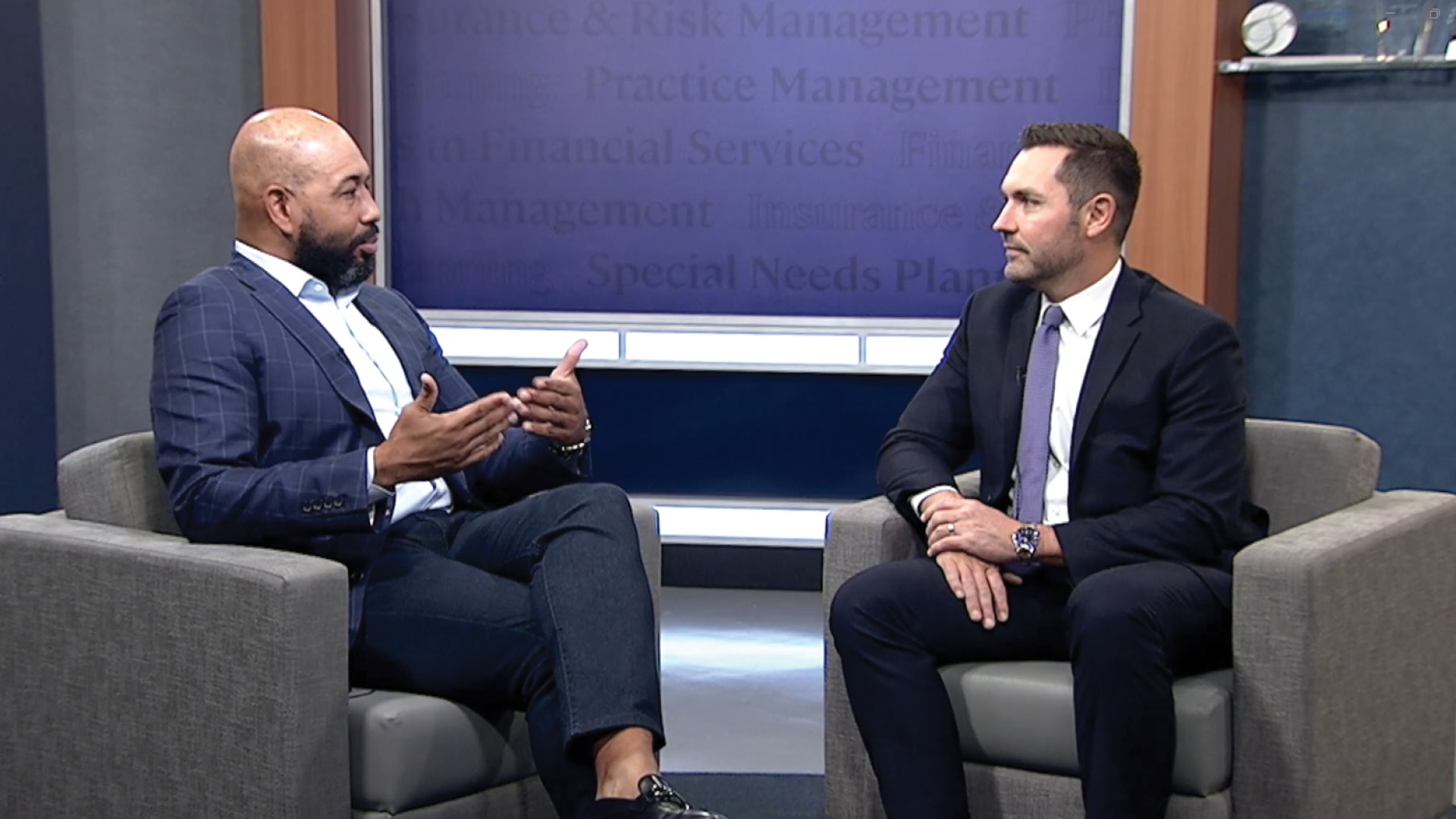
In a wide-ranging discussion in our studio, FinServe Network ambassadors and College alumni Ryan Swenson, RICP®, CEPA®, and Marco Williams, CFP®, talked about their experiences, client perspectives, and mentorship to make the point that financial services is as much about navigating and managing personal relationships as it is about providing sound planning advice.
Empathy and Communication Skills in Financial Services
In their conversation, Swenson and Williams shared personal stories and experiences with clients in different contexts and areas of planning that led to the same light-bulb moment: financial planning isn’t just about numbers and figures. It’s also about understanding the people advisors are serving and being able to not only comprehend their situation and answer their questions, but also provide them with the human connection and peace of mind they can’t get from AI or robo-advisor services.
"What I realized along the path was that this industry is really not about wealth management or investment management or anything like that: it's really more about personal finance, and what's the key word there? Personal,” Williams said. “You can't get more personal than an individual or family's money.”
“One of the most surprising things for me as I got into the financial services industry was that it’s a relationship business,” Swenson agreed. “We go through some of the hardest things in our clients’ lives with them, and I wasn’t prepared for how much they need to lean on you sometimes. It got real very quickly...and that’s when the light bulb turned on for me.”
Important Qualities of Financial Advisors
As the conversation turned to specific recommendations for next-generation and rising financial professionals to deepen their skills and grow their careers, it remained on soft skills: the ability to communicate effectively with clients, establish a rapport, and show them an advisor understands the importance of what they’re going through.
“Being able to look a client in the eye and be sure they know you hear them, there’s empathy needed there. They need to see you’re working through something with them and you’re not just listening to respond, but to understand,” Swenson said.
Another aspect, Williams added, is bringing the human element of financial advising into the increasingly technology-driven and complicated world of digital assets, AI, and products.
“If you think about private equity, crypto, and other alternative investments, it makes the portfolio a lot more commoditized,” he said. “Tying in that human element to the technical component and blending all those skill sets together is really going to increase demand for you as an advisor.”
Mentoring and Competition in Financial Services
Finally, as the discussion focused on the persistent issue of recruitment and retention of new advisors in financial services, Swenson and Williams shared their experiences about getting started in the industry and the difficulties they faced getting their foot in the door with entry-level positions. With nearly 21,000 financial advisory positions being vacated by retiring professionals over the next decade, Gen Z and other advisors will need to rise to replace them — but it’s not always an easy road, with many saying their company’s onboarding process is ineffective and that job expectations are often unclear.
Swenson emphasized the importance of “career-pathing” early on in a financial professional’s development: allowing them to map out and visualize their idea of success years down the road so they can set goals and make a plan while dealing with the initial challenges of the industry, which have historically caused high job attrition.
Williams, for his part, spoke on the importance of financial professionals overcoming a competition-focused mindset and paying it forward to the next generation to ensure continuity of quality advice and the betterment of the profession at large.
“What I often ran into in the firms I’ve worked at was advice that was very measured,” he said. “When I would ask other advisors about their recipe for success, they would usually play it close to the vest. Any other person seeking guidance was perceived as a threat, as if they could manage all the assets in the world alone.”
Instead, Williams says, rising financial services professionals should be more open to sharing their knowledge and expertise with those on the way up behind them.
“It’s about lending my experience to others, because that experience doesn’t just benefit me; it benefits others, including advisors and their clients,” he said. “When I share that experience with others, it strengthens those foundational principles inside of me and makes me a better practitioner.”
More From the FinServe Network
- Learn more about the FinServe Network
- Explore the Onboarding Gen Z Study
- See how specialized knowledge supports client goals
Related Posts